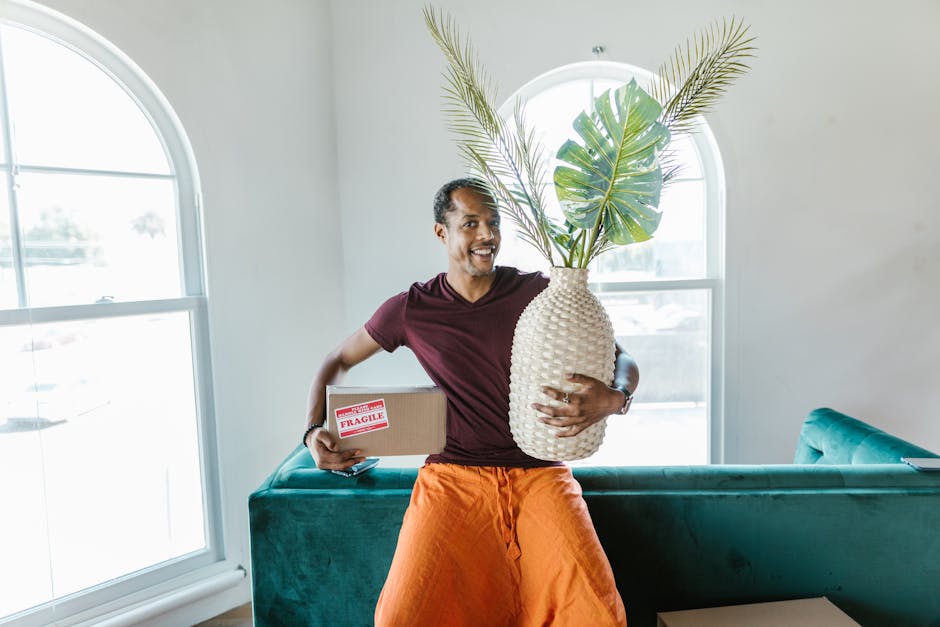
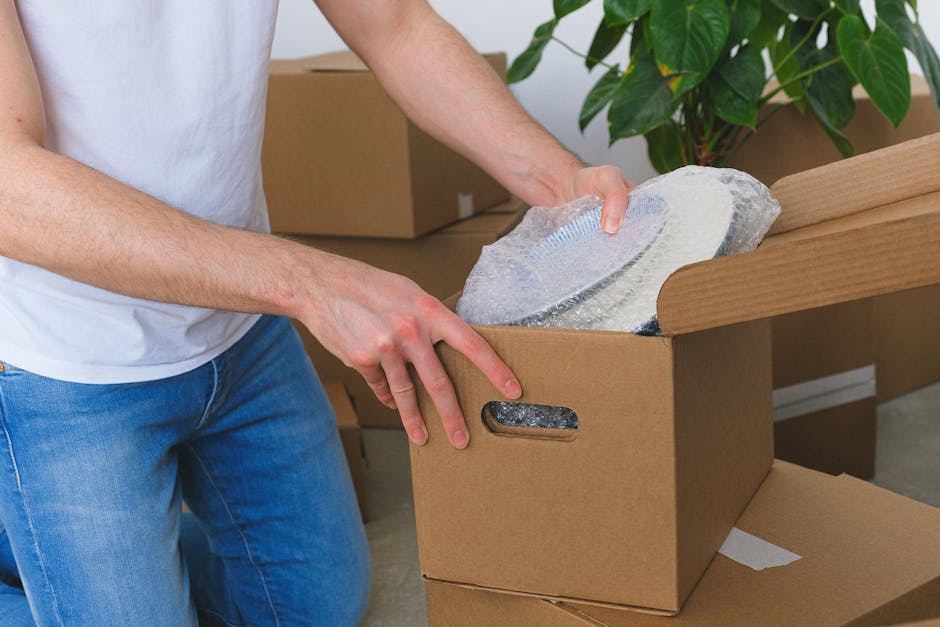
Room-by-Room Packing Plan for Fragile Antiques and Collectables
If you have ever tried to move a porcelain figurine, a grandfather clock part, a boxed set of vintage glassware, and a few sentimental oddities in the same day, you already know the problem: fragile items do not fail gracefully. They chip, crack, dent, and sometimes vanish into a box that was supposed to be "carefully labelled". A room-by-room packing plan for fragile antiques and collectables gives you a calmer, safer way to handle the job. It helps you pack in a logical order, reduce handling, and protect items that are often valuable for both money and memory.
This guide walks you through the process in a practical way, room by room, with clear methods for wrapping, boxing, labelling, and prioritising high-risk pieces. You will also find common mistakes, useful tools, compliance considerations, and a realistic example so you can turn a stressful move into a controlled one.
For readers planning a wider home move, it can also help to look at home moving support or professional packing and unpacking services if the collection is too delicate to handle alone.
Table of Contents
- Why a room-by-room packing plan matters
- How the packing system works
- Key benefits and practical advantages
- Who this is for and when it makes sense
- Step-by-step guidance
- Expert tips for better results
- Common mistakes to avoid
- Tools, resources and recommendations
- Law, compliance, standards and best practice
- Options, methods and comparison table
- Case study or real-world example
- Practical checklist
- Conclusion
- Frequently asked questions
Why Room-by-Room Packing Plan for Fragile Antiques and Collectables Matters
Antiques and collectables are not ordinary household goods. Many are awkwardly shaped, older than the packing materials around them, or made from a combination of materials that age differently. A ceramic base, brass fitting, glass insert, and fabric trim do not tolerate the same movement in the same way. That is why a general "pack everything as you go" approach tends to go wrong.
A room-by-room plan matters because it separates the move into smaller, controllable tasks. Instead of opening twenty boxes from one side of the house and hoping for the best, you work methodically. You assess each room, identify the highest-risk objects, pack them in a sensible sequence, and keep similar items together. This reduces breakage and makes unpacking far easier.
There is also a psychological benefit. Truth be told, a room full of fragile treasures can be intimidating. When you break the process down into rooms, the work feels less like a mountain and more like a series of careful steps. That calm, steady pace is exactly what delicate items need.
If your collection includes family heirlooms or specialist pieces, choosing a mover with strong operational standards is sensible. It can help to review insurance and safety information and the company's health and safety policy before anything leaves the property.
How Room-by-Room Packing Plan for Fragile Antiques and Collectables Works
The method is straightforward, but the detail matters. You pack each room in a sequence that reflects risk, use proper materials, and label everything precisely enough that items can be handled with care later. The main principle is simple: do not mix highly fragile items with everyday belongings just because they fit in the same box.
Here is the basic structure:
- Survey each room and identify all fragile antiques, collectables, and display pieces.
- Sort by material and risk, such as glass, ceramic, wood, metal, textiles, paper, or mixed-material items.
- Choose the right packing materials for each item type, rather than using a one-size-fits-all method.
- Pack the room in stages, finishing the most delicate items first.
- Label clearly so the handling instructions are obvious at a glance.
- Keep an inventory for valuable or irreplaceable pieces.
A useful way to think about it is from the inside out. Start with cabinets, shelves, wardrobes, display cases, and cupboards before moving to loose items on tables or sideboards. That way, you avoid leaving vulnerable pieces exposed while trying to deal with larger furniture.
Some collections need a specialist approach. For example, a shelf of old books may seem simple, but first editions, leather bindings, and signed items can react badly to moisture, tight packing, or spine pressure. Similarly, a mantel clock may look sturdy but contain a glass face and internal movement that should be immobilised before transport. Small details like these make a big difference.
Key Benefits and Practical Advantages
A good packing plan does more than prevent damage. It also saves time, lowers stress, and reduces the chance of costly mistakes. For people moving in London or the surrounding areas, those practical gains matter because access, timing, and handling conditions are often tighter than expected.
The main benefits are:
- Less breakage because fragile items are packed with the right padding and support.
- Better organisation because each room has its own method and inventory.
- Faster unpacking because boxes are grouped logically.
- Lower risk of misplacement for small collectables and accessories.
- More control over value items through clearer labels and records.
- Improved mover communication when special handling notes are visible.
Another practical advantage is that the room-by-room approach helps you spot problems early. You may find a loose hinge on a cabinet door, a hairline crack in a vase, or a previously forgotten box of miniature collectables. Discovering these things before the moving day is far better than finding them in the van.
Expert summary: For fragile antiques and collectables, the safest packing strategy is not "pack faster"; it is "pack in a way that matches the item, the room, and the level of handling it will face."
If you need extra help loading especially delicate or awkward pieces, a man with van service or a larger moving truck option may be more suitable depending on volume and access.
Who This Is For and When It Makes Sense
This system is useful for anyone moving items that are fragile, sentimental, high-value, or difficult to replace. It is especially helpful if you are managing the move yourself and want a disciplined process rather than improvising on the day.
It makes particular sense for:
- homeowners with inherited antiques
- collectors of ceramics, glass, model vehicles, stamps, coins, watches, books, or artwork
- down-sizers moving a lifetime's worth of decorative items
- families packing mixed rooms with both everyday goods and special display pieces
- small businesses relocating collectibles, showroom stock, or decorative stock
- anyone with limited time who still wants a careful, orderly process
It is also sensible when access is tricky. If you have narrow stairs, limited parking, or a tight loading window, packing a room properly beforehand reduces pressure on moving day. For larger or more complex jobs, some people combine this approach with house removalists or man and van services for a more flexible move.
A quick reality check: if you own museum-grade antiques, highly valuable signed pieces, or fragile objects with known conservation issues, you may want specialist packing advice rather than relying on general moving guidance. Not every object should be treated the same way, even if it looks fine on a shelf.
Step-by-Step Guidance
The most effective room-by-room method follows a consistent sequence. The detail below is deliberately practical, because that is what tends to prevent damage.
1. Start with a full room survey
Walk through each room and list all fragile or significant pieces. Include visible collectables, hidden items in cupboards, and objects stored above head height. Note size, material, condition, and whether the item has detachable parts. This creates a packing map before you touch anything.
2. Group items by room and material
It helps to group items into categories such as glass, ceramics, wood, mixed materials, textiles, metal, paper, and electronic or mechanical collectables. A ceramic figurine and a framed print both need care, but they should not be wrapped or boxed in exactly the same way.
3. Photograph important pieces
Take clear photos before packing. This is useful for inventory, insurance discussions, and peace of mind. Photograph condition marks, maker's labels, serial numbers, and any existing flaws. You are not documenting perfection; you are documenting condition.
4. Prepare the right materials before packing begins
Have the materials ready in each room so you are not wandering around mid-pack with a half-wrapped vase in your hands. A basic setup usually includes double-walled boxes, acid-free tissue, bubble wrap, packing paper, corner protectors, strong tape, marker pens, and labels. For very delicate pieces, divide and conquer is the smarter tactic than "one more layer should do it".
5. Pack the least accessible rooms first
Start with lofts, spare rooms, display cabinets, and storage-heavy rooms. These often contain the least-used collectables and are easy to overlook until the end. Finishing them early also gives you space to stage the rest of the house.
6. Handle each room by priority, not by luck
Within each room, start with the smallest and most fragile pieces, then move to slightly sturdier items. In a dining room, that might mean glassware before serving bowls and decorative pieces before heavier centre items. In a study, it may mean books and paper ephemera before ornaments and desk accessories.
7. Use the right wrapping method for the item
For glass or ceramics, wrap individually and pad the box so there is no movement. For framed art or prints, protect corners and keep surfaces from rubbing. For books, avoid over-tight packing that can stress bindings. For clocks or mechanical objects, secure moving parts and wrap in a way that prevents internal shifting. You do not need a dozen fancy terms to do this well; you just need each item immobilised in a sensible way.
8. Build boxes so items cannot move
Empty space is the enemy. Fill voids with crumpled packing paper or appropriate cushioning so items cannot slide, tilt, or collide. Boxes should be firm but not compressed beyond what the item can safely tolerate.
9. Label with both room and handling notes
Each box should show the destination room and a clear handling instruction, such as "fragile", "this way up", or "open first". If the item is valuable or rare, add an inventory number. A label that simply says "stuff" is not a system. It is a confession.
10. Keep a separate essentials and high-value set aside
Do not mix your most important collectables into general household boxes. Keep critical items with you, or place them in a dedicated, tracked, and securely sealed section. If the move involves multiple people, make it clear who is responsible for these boxes at every stage.
Room-specific packing notes
Living room: Focus on ornaments, framed artwork, glass tables, lamps, figurines, decorative trays, and display pieces. Remove shelves where possible and pack items by display unit.
Dining room: China, crystal, serving ware, silverware, and heirloom table items need separate handling. Plates should be packed vertically with padding between each layer where appropriate.
Bedroom: Jewellery boxes, small keepsakes, mirrors, decorative clocks, and personal collectables often hide in drawers and bedside cabinets. Check every compartment.
Kitchen: Vintage crockery, specialist glassware, and display pieces need more care than everyday cookware. Keep them apart from heavy pans and loose utensils.
Study or office: Books, records, documents, maps, and desk collectables should be boxed to avoid pressure damage. Paper items dislike damp, overfilling, and rough handling.
Hallway and landing: These areas often hold mirrors, lamps, umbrellas stands, and smaller display pieces. Because they are transitional spaces, items here are easy to miss until the last minute.
Loft or storage room: Expect older packaging, temperature changes, and dust. Check carefully for signs of deterioration before repacking anything.
Expert Tips for Better Results
Small improvements make a huge difference with delicate goods. A few habits separate a competent move from a risky one.
- Use smaller boxes for heavier fragile items. A box full of china may be too heavy to lift safely if it is oversized.
- Avoid newspaper for fine surfaces. Ink transfer and abrasion are real concerns on some finishes.
- Separate lids, bases, and detachable parts. Wrap them individually and label them as a set.
- Do not overwrap polished surfaces. Abrasive contact between materials can be as damaging as impact.
- Check box strength before sealing. A weak bottom is not something you want to discover mid-staircase.
- Keep an "open first" box for each room. This should contain the most immediately needed fragile items, so you do not unpack in a panic.
One overlooked detail is humidity. Old books, paper collectables, textiles, and some wooden pieces react badly to damp conditions. If the house is cold or the move is happening in poor weather, allow extra time for drying, cleaning, and wrapping. It is a dull point, but a very real one.
If you are moving across a longer distance or need the collection to travel with extra space around it, discussing vehicle choice can help. A dedicated removal truck hire option may give you more control over packing layout than trying to fit everything into a tight load with ordinary goods.
Common Mistakes to Avoid
Most breakages happen because of a handful of predictable mistakes. The good news is that they are avoidable once you know what to watch for.
- Packing by room but ignoring material. A room-based plan still needs item-based judgement.
- Using one huge box for too many delicate items. Weight and movement both increase risk.
- Leaving voids in the box. Objects that can move will eventually do so.
- Mixing valuable items with everyday clutter. This makes tracking and handling harder.
- Failing to label orientation. Some items should never be tilted, even briefly.
- Forgetting accessory parts. Screws, shelves, stands, and lids go missing very easily.
- Overestimating old tape and reused cartons. Materials lose strength faster than people assume.
Another common issue is packing too late. Once the move is imminent, people start reaching for shortcuts. That is exactly when delicate objects suffer. If you are dealing with a mixed household move and need help staying organised, a structured plan supported by a packing service can reduce last-minute chaos.
Tools, Resources and Recommendations
You do not need specialist museum equipment for every move, but you do need the right basic kit. Good materials are usually cheaper than replacing broken collectables.
| Tool or material | Best use | Practical note |
|---|---|---|
| Double-walled boxes | Fragile household antiques and mixed collectables | Choose sizes that can be lifted safely when full |
| Acid-free tissue | Paper items, textiles, finishes, and delicate surfaces | Useful where ink transfer or surface marking is a concern |
| Bubble wrap | Impact protection for robust fragile pieces | Keep the smooth side against sensitive surfaces where possible |
| Packing paper | Filling voids and wrapping less delicate items | Better than loose fillers that shift around |
| Corner protectors | Frames, mirrors, and artwork | Especially helpful for awkward edges |
| Labels and markers | Room identification and handling instructions | Write clearly enough to be read quickly |
| Inventory sheet | Tracking valuable items | Simple spreadsheets work fine if consistent |
If sustainability matters to you, use recyclable materials where suitable and avoid waste where possible. It is reasonable to balance protection with responsible disposal. You can also review recycling and sustainability information if you want a move that is a little more thoughtful about packaging and disposal.
For trust and payment clarity when booking help, it is wise to check payment and security details and the company's terms and conditions before confirming anything. That may sound like admin, but admin is often where misunderstandings begin.
Law, Compliance, Standards and Best Practice
For most household moves, the main issue is not a special law about antiques packing. It is good practice, clarity of responsibility, and honest handling of risk. If you are moving valuable items, check whether your own insurance covers transit, whether the mover's cover applies, and what conditions are attached. The exact scope varies, so assumptions are risky.
From a best-practice point of view, keep evidence of condition, separate high-value items in your inventory, and confirm any special handling requests in writing. That is especially sensible for items that are irreplaceable, fragile, or expensive to repair.
For transport providers, safety procedures, secure loading, and careful handling expectations are all relevant. A reputable mover should be able to explain how they manage fragile goods, what their process is, and whether they can accommodate dedicated packing support. If in doubt, contact the company directly through their contact page and ask specific questions rather than relying on generic marketing copy.
It is also worth checking how complaints are handled, just in case anything goes wrong. A clear complaints procedure is a good sign that the business takes accountability seriously. You may never need it, but it is reassuring to know it exists.
Options, Methods, or Comparison Table
There is more than one way to pack fragile antiques and collectables. The best choice depends on the value of the items, your time, and how much hands-on support you want.
| Approach | Best for | Strengths | Trade-offs |
|---|---|---|---|
| Do-it-yourself room-by-room packing | Smaller collections and organised households | Cost control, flexibility, full visibility | Time-consuming, depends on your care and materials |
| Hybrid approach with selective help | Mixed households with a few high-risk pieces | Good balance of control and support | Requires clear planning and communication |
| Full professional packing | Large collections, tight timelines, higher-value items | Efficiency, consistency, less handling stress | Higher cost and less direct involvement |
In many real-world moves, the hybrid approach works best. You can handle lower-risk items yourself while bringing in help for large mirrors, complex furniture, or especially delicate antiques. If you are moving a business collection or display stock, a specialist commercial move approach may be more appropriate than a standard household service.
Case Study or Real-World Example
Consider a typical three-bedroom home with a mixed collection: glass ornaments in the lounge, inherited china in the dining room, first-edition books in the study, and a few decorative pieces in the hallway. The owner wants to move without losing track of anything valuable, but also does not want to overcomplicate the process.
The move begins with the study because the books and paper items are easiest to underestimate. Each shelf is emptied, the books are sorted by size and value, and the rarest editions are wrapped individually. Next comes the dining room, where plates are packed vertically, glassware is boxed in smaller containers, and serving items are separated from decorative pieces. The lounge follows, with lampshades, picture frames, and ornaments handled one by one. Finally, hallway mirrors and smaller accessories are packed last because they need to remain accessible until the end.
What makes this approach work is not just the order. It is the discipline of keeping each room separate, checking off items as they are packed, and refusing to mix objects that belong to different risk levels. The house does not feel chaotic because the system is already doing the organising. That calm matters more than people expect.
In situations like this, the owner may still decide to get help for the loading stage or the awkward items. A tailored home move service can complement the packing plan rather than replacing it.
Practical Checklist
Use this checklist as a final pre-move review for fragile antiques and collectables.
- Photograph each valuable or fragile item before packing.
- Check for chips, loose parts, or weak joints.
- Gather double-walled boxes, tissue, tape, labels, and markers.
- Pack one room at a time.
- Separate items by material and fragility.
- Wrap each item individually where needed.
- Fill all empty spaces inside boxes.
- Label boxes with room name and handling notes.
- Keep high-value items on a separate inventory.
- Set aside an "open first" box for each priority room.
- Confirm transit arrangements and insurance coverage.
- Keep essential documents and sentimental items close to hand.
If you are moving from a flat, townhouse, or family home in South London, a well-structured approach can save you a surprising amount of time on the day. For a more tailored estimate, you can review pricing and quotes before deciding what level of support you need.
Conclusion
A room-by-room packing plan for fragile antiques and collectables is one of the simplest ways to reduce damage, control stress, and keep track of items that matter. The method works because it respects how real households function: different rooms hold different risks, different materials behave differently, and the most fragile objects need the most careful handling.
Whether you are moving a few heirlooms or a sizeable collection, the key is to slow the process down just enough to make it safer. Pack by room, but think by item. Label clearly, document condition, and avoid the common shortcuts that cause breakages. That combination usually makes the biggest difference.
When you are ready to organise the move itself, it helps to choose support that matches the scale of the job and the value of what you are moving. If you want to speak with a team about your options, start with the company's about us page and then reach out for a practical discussion of your move.
Get a free quote today and see how much you can save.
Frequently Asked Questions
What is the best way to pack fragile antiques for moving?
The best approach is to pack them one room at a time, wrap each fragile item separately, fill all empty space in the box, and label the box clearly. The key is to prevent movement and avoid mixing unrelated items.
Should I use bubble wrap for antiques and collectables?
Bubble wrap can be useful for impact protection, especially around ceramics, glass, and sturdy decorative pieces. For more delicate surfaces, it is often better to use acid-free tissue or a soft inner layer before adding outer padding.
How do I pack collectables that have multiple parts?
Separate detachable parts if that reduces risk, wrap them individually, and label them as one set. Keep screws, lids, shelves, or stands in a clearly marked bag or small box so nothing disappears during the move.
What room should I pack first?
Start with the least-used room or the room with the most storage-heavy fragile items, such as a loft room, study, or spare room. That usually gives you momentum and helps clear space early.
How do I protect framed artwork and mirrors?
Use corner protection, wrap the surface carefully, and keep the item upright with clear orientation labels. Avoid laying large framed items flat unless the packing method specifically supports it.
Is it safe to pack books with antiques?
Usually not in the same box if the books are heavy or the antiques are delicate. Books can create pressure and abrasions, so they are best boxed separately, especially if they have leather bindings or collectible value.
Do I need special insurance for valuable collectables?
That depends on the item, the mover, and your own cover. It is sensible to check whether transit protection applies and what exclusions exist before the move begins. Do not assume all valuables are automatically covered.
How far in advance should I start packing fragile items?
Ideally, start several days or even weeks in advance if you have a collection. Fragile items take longer because each piece needs cleaning, wrapping, documenting, and box planning.
Can I use second-hand boxes for antiques?
Only if they are strong, clean, dry, and undamaged. For anything fragile or valuable, new double-walled boxes are usually the safer option because reused cartons may have weak seams or hidden wear.
What is the most common mistake people make with antiques during a move?
The biggest mistake is rushing and packing too many fragile items together without enough padding or separation. The next most common issue is poor labelling, which makes handling and unpacking much riskier.
Should I move high-value antiques myself or hire help?
If the pieces are heavy, rare, awkward, or especially valuable, getting help is often the better choice. Self-moving can work for smaller items, but professional support is worth considering where the risk of damage is high.
How do I choose a moving company for fragile collectables?
Look for clear handling guidance, practical packing support, accessible contact information, and straightforward insurance information. A company that explains its process clearly is usually easier to trust than one that makes vague promises.
If you would like to compare service options further, you can also review man with van options for smaller moves or explore pricing and quote information if you are comparing different support levels.