5 Common DIY Moving Mistakes That Double Your Stress
DIY moving looks simple on paper. Rent a van, pack the boxes, rope in a couple of friends, done. Then moving day arrives, the kettle is packed somewhere mysterious, the hallway is full of bubble wrap, and suddenly every small delay feels twice as big. That is the real story behind 5 Common DIY Moving Mistakes That Double Your Stress: they do not just waste time, they multiply the chaos.
If you are trying to keep costs down, fair enough. Plenty of people do. But the cheapest move on paper can become the most expensive in energy, bruised furniture, and last-minute panic. This guide breaks down the five mistakes that trip people up most often, shows how they snowball, and gives you a practical way to avoid the usual moving-day scramble. No fluff. Just the stuff that actually helps.
Why 5 Common DIY Moving Mistakes That Double Your Stress Matters
Moving is one of those jobs that seems to expand to fill the time available. The moment you underestimate it, things start to wobble. A DIY house move is not only about lifting boxes. It is about planning routes, protecting valuables, reading parking restrictions, managing helpers, and keeping your head clear when the day gets messy.
The reason these mistakes matter is simple: moving stress is cumulative. One wrong decision may be manageable. Three or four small errors, stacked together, can turn a straightforward relocation into a tiring, expensive, and slightly chaotic weekend. That is why so many people end up thinking, "We should have done that differently" halfway through the day.
There is also the knock-on effect. If boxes are not labelled properly, you waste time unpacking. If the van is too small, you need multiple trips. If fragile items are packed badly, you pay for it later. These are not dramatic failures. They are ordinary, avoidable oversights. And honestly, that is what makes them so frustrating.
Expert summary: A good move is rarely about speed alone. It is about reducing friction at every stage: packing, loading, transport, unloading, and settling in. Miss one stage and the stress tends to show up everywhere else.
If you are comparing moving help with a DIY approach, it can also be useful to look at support options such as home moving services or a flexible man and van service for the parts that create the most pressure. Not everyone needs a full-service move, but knowing what is available can save a lot of guesswork.
How 5 Common DIY Moving Mistakes That Double Your Stress Works
Stress doubles in a DIY move because moving is a chain, not a list. If the first link is weak, the rest tend to suffer. For example, underestimating packing time means you start late. Starting late means loading in a rush. Rushing means poor labelling, broken items, and a poor first hour in the new place. It is a bit of a domino effect, and not the fun kind.
Most DIY moving mistakes fall into one of three buckets:
- Planning errors such as poor timing, parking issues, or not estimating the load correctly.
- Packing errors such as using the wrong boxes, overfilling them, or skipping the labelling stage.
- Handling errors such as lifting badly, stacking things unsafely, or failing to protect furniture and flooring.
What makes these mistakes so draining is that they often happen before the actual move even begins. By the time the first box hits the van, the move may already be behind schedule. Then the day becomes reactive. You are no longer following a plan; you are patching holes as they appear. That is exhausting.
People often assume stress comes from heavy lifting alone. Not really. The real strain is decision fatigue. Do we do another run? Where is the tape? Which box has the bedding? Is that chair going to fit? After a few hours, even simple choices feel bigger than they should. Which is why clear structure matters so much.
Key Benefits and Practical Advantages
A smoother DIY move does more than save your back. It saves your patience, your time, and often your money too. The benefits are practical, not abstract. You can feel them on the day.
- Less wasted time: Clear labelling and realistic planning reduce the stop-start chaos that eats up hours.
- Lower breakage risk: Better packing keeps glasses, mirrors, and furniture safer in transit.
- Fewer lifting injuries: Good loading and correct equipment reduce awkward strain.
- Less emotional friction: When everyone knows the plan, there are fewer tense moments with friends or family helping out.
- Faster settling-in: Proper room-by-room packing means the essentials are where you need them from the first night.
There is also a hidden advantage: confidence. A well-run move feels manageable. You still get tired, of course, and there will probably be one moment where someone is standing in the doorway holding a lamp and looking at you like, "Where exactly does this go?" But overall, the day feels under control.
If you know you will need help with loading, transport, or bulky furniture, options like removal truck hire or a moving truck service can make a big difference without turning the whole move into a fully managed service.
Who This Is For and When It Makes Sense
This guide is for anyone planning a self-managed move and trying to keep the stress from running away with the day. That includes renters, first-time buyers, growing families, students, and small businesses moving a handful of items between premises.
DIY moving makes sense when:
- you have a modest volume of furniture and boxes;
- you can recruit reliable help;
- the distance is manageable;
- you have time to prepare properly;
- you are comfortable handling the logistics yourself.
It tends to become a poor fit when the move involves large furniture, awkward staircases, tight access, parking restrictions, or a deadline that cannot shift. Office moves are a different beast again. If you are relocating desks, computers, filing, and stock, it is often worth looking at commercial moves or office relocation support rather than trying to force a DIY approach that simply will not scale.
To be fair, some people enjoy the control of doing everything themselves. Others just want to save the cost. Both are understandable. The trick is knowing where your limits are before the boxes start piling up in the front room.
Step-by-Step Guidance
Here is a sensible way to approach a DIY move without making life harder than it needs to be.
1. Start with an inventory
Walk through every room and write down what needs to move. Not a vague list. A proper one. Note large items, fragile pieces, and anything awkward to carry. This gives you a rough sense of van size, packing needs, and how much help you actually need.
2. Sort before you pack
Moving is the best time to be ruthless. Keep, donate, recycle, repair, or discard. The less clutter you carry forward, the easier everything becomes. If you have bulky items that are no longer worth moving, a service like furniture pick-up can be a practical way to clear space without stuffing the new home with old problems.
3. Gather materials early
Boxes, tape, markers, labels, packing paper, mattress covers, furniture blankets, and basic tools should be ready before the main packing push begins. Running out of tape at 9:30 pm is a small disaster, but a disaster all the same.
4. Pack room by room
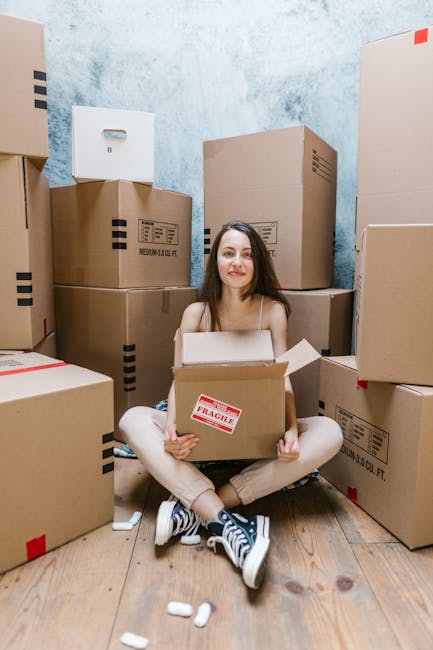
Do not bounce between the kitchen, loft, and bedroom in a single session. That creates chaos and mixed boxes. Keep each room separate, label clearly, and mark the destination room on the box. A simple colour code can help, especially if you have friends helping load.
5. Protect the awkward items
Use blankets, cardboard, stretch wrap, and corner protection for furniture. Take photos before dismantling anything. Bag screws and fixings, and tape them to the relevant item or keep them in a clearly labelled pouch. Small step, big payoff.
6. Plan the loading order
Heavy, sturdy items first. Fragile and essential items last. Think about what you will need immediately at the other end: kettle, bedding, toiletries, chargers, documents, basic tools. Keep those in an essentials box, not hidden under cushions and spare lamps.
7. Confirm access and parking
Check the route from the property to the vehicle. Look for narrow corridors, stairs, lifts, low branches, and parking restrictions. In UK towns and cities, access can be the thing that slows everything down, not the lifting itself. A one-minute check can save an hour of carrying.
8. Unload with a system
Put boxes straight into the correct rooms if possible. Do not create a single mountain in the hallway unless you enjoy living in a temporary obstacle course. Start with the essentials and bedrooms first. You will sleep better on night one, and that matters more than people think.
Expert Tips for Better Results
Here are the small, practical details that often separate a steady move from a stressful one.
- Build buffer time into every task. If packing a room looks like two hours, give it three. Life happens.
- Use fewer, stronger boxes. Overloaded boxes are miserable to carry and easier to split.
- Keep one "do not pack" zone. Put keys, paperwork, medication, chargers, and valuables in one safe place.
- Label the top and side of every box. Once boxes are stacked, you will thank yourself.
- Don't ignore nutrition and water. People forget this and then wonder why everyone gets grumpy by lunch. It is usually the sandwiches, or the lack of them.
- Measure furniture against doorways before moving day. A sofa that will not clear the stair turn is a headache nobody needs.
If you suspect the move is bigger than your own equipment can comfortably handle, it may be smarter to combine DIY packing with professional transport. A vehicle from man with van support can be a useful middle ground when you want help without overcommitting.
One more thing: do not be shy about asking for a second pair of hands. Moving day is not the time for heroic solo behaviour. That just sounds noble until the wardrobe corner meets the wall.
Common Mistakes to Avoid
These are the five mistakes that most often double the stress of a DIY move. They are common because they look harmless at first.
1. Underestimating how long packing takes
People often think, "We'll pack the kitchen on Friday night." Then Friday night arrives, and suddenly there are 14 mugs, half a drawer of cutlery, three awkward pans, and a slow-growing sense of regret. Packing always takes longer than you think, especially if you are sorting as you go.
Why it doubles stress: Rushed packing leads to messy boxes, poor protection, and late-night panic.
2. Hiring the wrong size vehicle
A van that is too small forces multiple trips. That means more fuel, more loading, more parking faff, and more time spent watching the clock. Choosing the right size is one of the simplest ways to reduce moving-day pressure.
Why it doubles stress: The day becomes a relay race instead of a single, controlled move.
3. Failing to label properly
If boxes are unlabelled, you create a treasure hunt at the exact moment you are least interested in one. "Kitchen? Maybe. Books? Maybe. Christmas decorations? Honestly, who knows." This is the sort of thing that sounds funny later and deeply irritating in the moment.
Why it doubles stress: Unclear boxes slow unloading and make the first night much harder.
4. Not protecting bulky furniture
Scratched tables, chipped corners, and torn upholstery are common when furniture is moved without covers or blankets. The damage may be cosmetic, but it still stings. Nobody likes seeing a neat move end with a dent in the sideboard.
Why it doubles stress: You end up worrying about damage the whole day, which makes everyone more cautious and slower.
5. Trying to do everything on moving day
This one catches people out all the time. Cleaning, disassembling, loading, sorting paperwork, and managing keys all on the same day is too much. Even efficient people struggle with that load. Spread the work across several days where possible.
Why it doubles stress: Every task competes for attention, so nothing gets the focus it needs.
Tools, Resources and Recommendations
You do not need a warehouse of specialist gear to move well. But a few practical tools make a huge difference.
- Heavy-duty boxes: Better for books, crockery, and mixed household items.
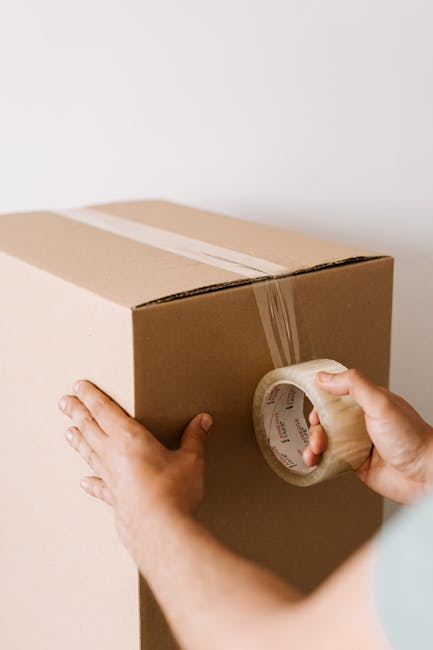
- Packing tape and dispenser: Small thing, huge time saver.
- Permanent markers: Essential for clear labelling.
- Furniture blankets or pads: Help prevent scratches and knocks.
- Stretch wrap: Useful for drawers, upholstered items, and loose doors.
- Basic toolkit: Screwdrivers, Allen keys, and a small spanner set will cover a lot of flat-pack and furniture dismantling jobs.
- Gloves and proper shoes: Not glamorous, but they matter more than people admit.
It is also worth thinking about support services before the move becomes a mess. If you need someone to handle the lifting, transport, or packed items more safely, options such as packing and unpacking services can take a surprising amount of pressure off the day. And if you only need a vehicle, moving truck or removal truck hire may be enough.
For households trying to keep costs under control, it can also help to review pricing and quotes early, even if you still plan to do most of the move yourself. Knowing the numbers gives you room to compare properly instead of making a rushed decision later.
Law, Compliance, Standards, or Best Practice
For most domestic moves, the main compliance concerns are practical rather than legal drama. The big ones are safety, access, and responsible disposal. You should follow local parking and loading restrictions, avoid blocking access for neighbours, and handle waste appropriately. If you are disposing of furniture or unwanted household items, check local collection rules and recycling guidance before leaving things on a pavement or in a shared area.
Health and safety matters too. Heavy lifting should be planned, not improvised. Use correct posture, get help with awkward items, and take breaks when needed. That is not overcautious; it is sensible. In moving work, the "I can just carry this myself" moment is often followed by a very undignified wobble at the stairs.
If you are using a professional service for part of the move, it is reasonable to check their insurance arrangements, payment terms, and service conditions in advance. Pages such as insurance and safety and health and safety policy are the sort of information a careful customer should look for. For business customers, that same principle applies even more strongly.
For sustainability and disposal best practice, it helps to reuse boxes where possible, separate recycling from general waste, and avoid sending usable items to landfill when another home or charity could make use of them. A move is often a good reset point. No need to drag old clutter into a new chapter.
Options, Methods, or Comparison Table
If you are deciding how hands-on to be, it helps to compare the main approaches side by side.
| Method | Best for | Pros | Trade-offs |
|---|---|---|---|
| Fully DIY move | Smaller, simple moves with flexible timing | Lowest upfront cost, full control | Highest personal workload, more risk of mistakes |
| DIY packing + hired van | People who want to pack themselves but need transport | Good balance of cost and support | Still requires lifting and coordination |
| Man and van support | Medium-sized home moves or awkward items | Helpful labour, quicker loading, less stress | Costs more than pure DIY |
| Full packing and moving support | Busy households, larger homes, tight deadlines | Lowest stress, more efficient, better protection | Highest service cost |
The right choice depends on your budget, access, furniture volume, and how much patience you have left by Friday evening. There is no prize for doing everything the hard way.
Case Study or Real-World Example
Picture a typical Saturday move in a two-bedroom flat. The couple involved had boxes ready, but they were packed loosely over three evenings, with mixed contents in half the rooms. The van booked was smaller than needed, partly because they guessed rather than measured. By 10:30 am, the hall was blocked, the TV leads were missing, and the first load had to be unpacked slightly just to find the bedding. Not a disaster, but not a calm day either.
Now compare that with a move organised a week earlier. The same couple sorted unwanted items first, used room-by-room packing, kept an essentials box separate, and booked suitable transport after measuring the larger furniture. On the day, the loading still took effort, but the move ran in fewer trips, with less confusion and far less emotional wear and tear. Same house, same belongings, very different experience.
That is the key point. DIY moving is not inherently stressful. It becomes stressful when planning is left to chance. A bit of structure changes the whole feel of the day. Quite a lot, actually.
Practical Checklist
Use this checklist in the final week before moving day.
- Inventory completed for every room
- Unwanted items removed or arranged for collection
- Boxes, tape, labels, and markers ready
- Fragile items packed with protection
- Furniture dismantling plan prepared
- Tools and fixings bagged and labelled
- Essentials box packed separately
- Parking and access checked at both properties
- Vehicle size confirmed against actual load
- Friends, family, or helpers confirmed
- Snacks, water, and phone chargers ready
- Keys, documents, and valuables kept safe
- Cleaning supplies available for the old property
- First-night items easy to reach
Quick tip: if a task can be done before moving day, do it before moving day. Future you will be grateful, probably in a slightly tired voice, but grateful all the same.
If you would like to offload the most tiring parts of the process, a properly planned move with expert support can make life much easier. For details about the team behind these services, you can read about us, and if you need to discuss your move directly, the simplest next step is to contact us.
Conclusion
The five common DIY moving mistakes are usually not dramatic on their own. That is the point. They look small, almost harmless, until the day they combine into a bigger problem. Miss the packing plan, choose the wrong van, leave the labels until later, skip furniture protection, and try to do everything at once, and yes, the stress really does double.
The good news is that each mistake is preventable. A calm move is built from small, ordinary decisions made early. Measure properly. Pack with a system. Protect the furniture. Keep essentials close. Ask for help before the day gets heavy. It does not need to be perfect. Just organised enough to keep the wheels on.
Get a free quote today and see how much you can save.
And if all you take from this is one thing, let it be this: a better move is rarely about luck. It is about preparation, one sensible step at a time.
Frequently Asked Questions
What are the most common DIY moving mistakes?
The most common mistakes are underestimating packing time, using the wrong size vehicle, failing to label boxes clearly, not protecting furniture properly, and trying to do everything on moving day.
Why do DIY moving mistakes increase stress so much?
Because small problems stack up quickly. One delay leads to another, and before long you are packing in a rush, loading badly, and spending the evening looking for essentials.
Is DIY moving actually cheaper than hiring help?
Sometimes, yes. But if you need extra van trips, replacement materials, or repair costs after damage, the savings can shrink fast. It depends on the size and complexity of the move.
How do I know if my van is big enough?
The safest approach is to measure your larger furniture and list your boxes before booking. If you are guessing, you are probably underestimating. That is very common.
What should go in an essentials box?
Keep keys, chargers, toiletries, tea or coffee supplies, snacks, basic tools, important documents, medication, and bedding for the first night in one separate box or bag.
How early should I start packing for a DIY move?
For a standard home move, start with non-essential rooms and storage items at least a couple of weeks ahead if you can. Leaving everything for the last two days is where stress really kicks in.
What is the easiest way to label boxes?
Use the destination room, a short contents note, and a clear marker on the top and side. Colour coding by room also helps when you are unloading fast.
Should I dismantle furniture before moving day?
Yes, if it can be done safely in advance. Bag the screws and fixings, label the parts, and keep instructions or photos with the item. It saves time and reduces awkward lifting.
When is DIY moving a bad idea?
It is usually a poor fit when the property has difficult access, the furniture is heavy or fragile, or the deadline is tight. In those cases, some professional support is often worth it.
Can I mix DIY packing with professional transport?
Absolutely. Many people pack themselves and then use a van or moving service for the loading and transport. It can be a sensible middle ground if you want to control costs without carrying the entire burden yourself.
What should I check before moving day in the UK?
Check parking, access, building rules if you are in a flat, weather conditions, the route for larger items, and whether you have enough help. A quick check on these things can prevent a lot of day-of drama.
How do I keep stress down if friends are helping?
Give people clear jobs, keep drinks and snacks available, and do not change the plan every ten minutes. Everyone works better when the tasks are simple and the instructions are steady.
Moving will probably never be your favourite life admin task. But with the right plan, it does not need to feel like a disaster-in-progress either. Keep it steady, keep it practical, and give yourself a bit of breathing room.